PIANO AND
HARPSICHORD MAKER FOR
PROFESSIONAL SERVICES
SUCH AS TUNING,
REPAIRS, ETC.
IN LYON

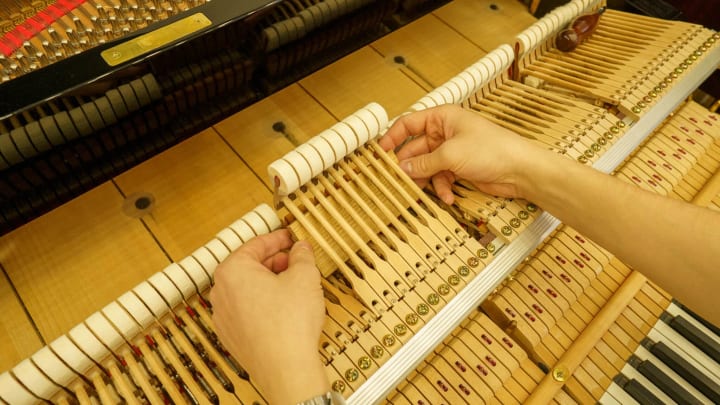
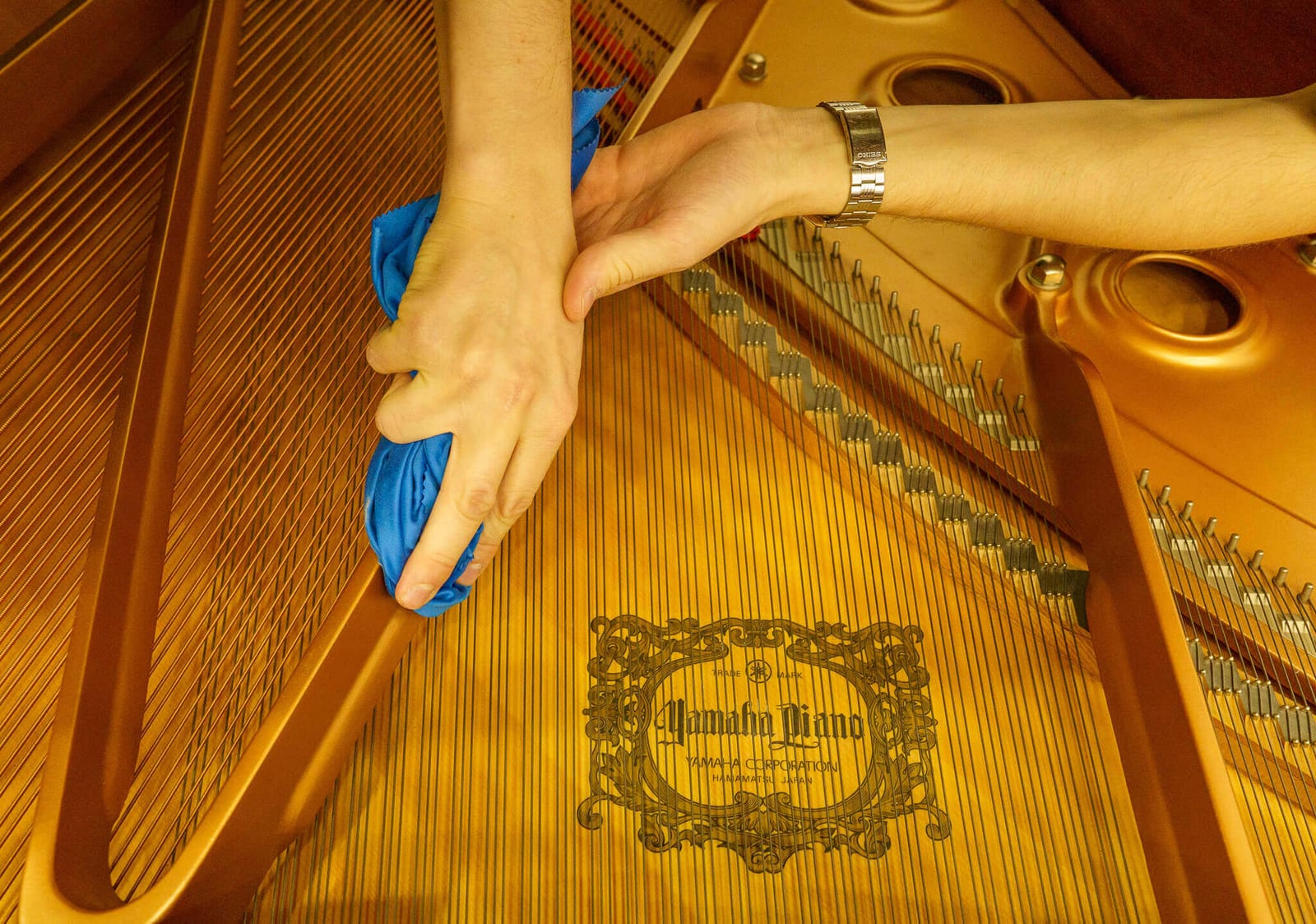
Have your piano tuned and rediscover its sonic beauty! Our expert technicians offer a complete service that goes far beyond a simple tuning. Deep cleaning, meticulous adjustments, balanced voicing for extended professional maintenance.
Book an appointmentIn our workshops located near the Institute of Contemporary Art, we also carry out larger repairs and restorations.
Learn moreWhether restoring the surface of an instrument damaged during a move or simply giving it back its original shine.
Our services pageFrom installing new hammers to extending your instrument with the installation of an adsilent silent system.
All services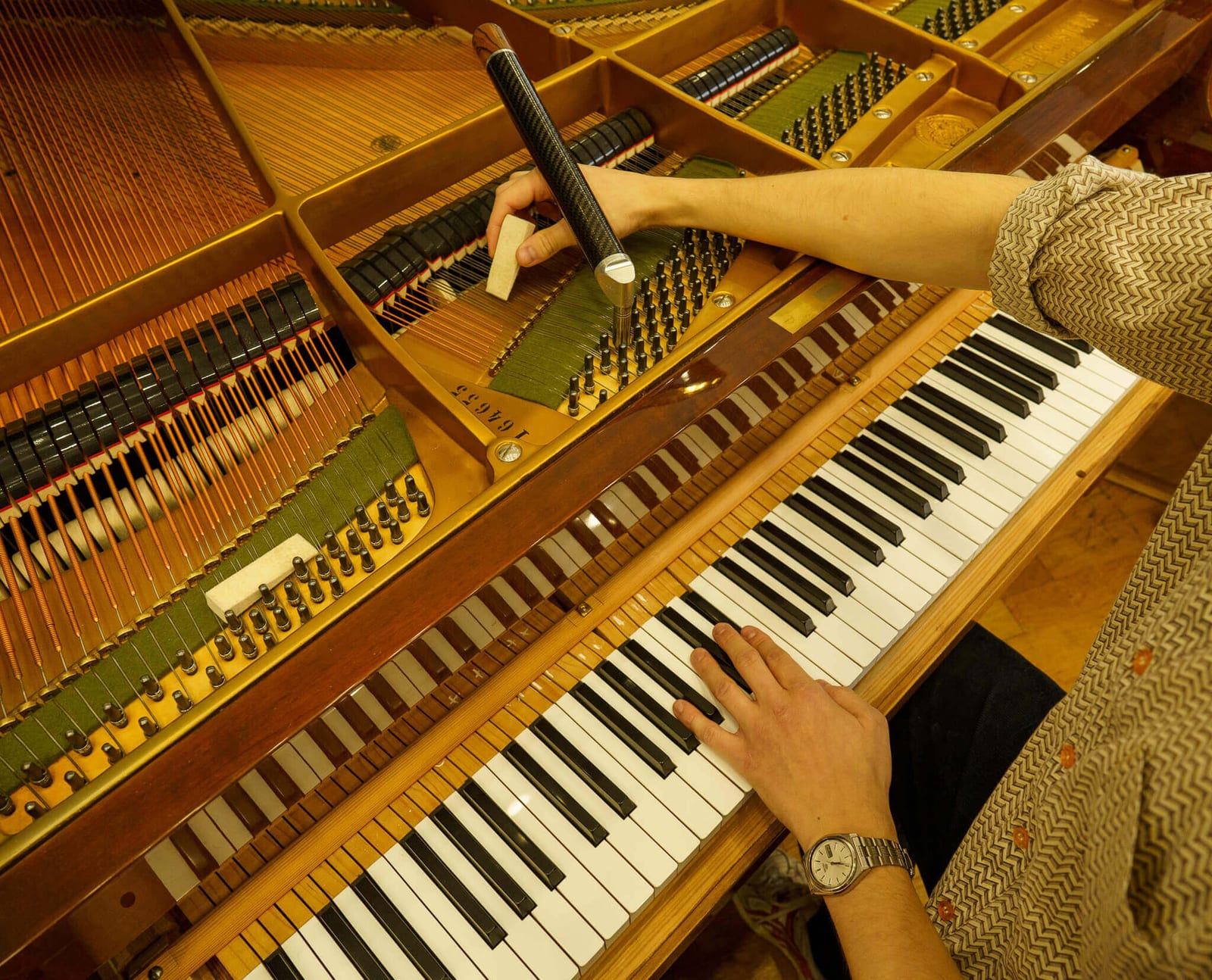
Piano tuning.
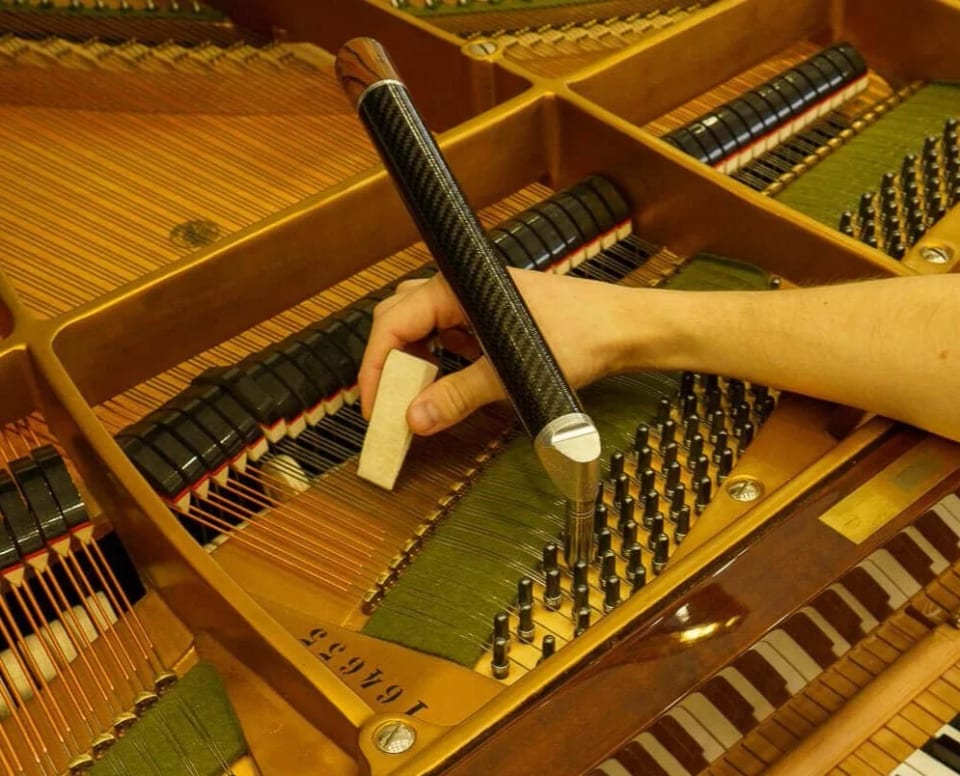
Have your piano tuned and rediscover its sonic beauty! Our expert technicians offer a complete service that goes far beyond a simple tuning. Deep cleaning, meticulous adjustments, balanced voicing ...
Book an appointmentThe workshop.
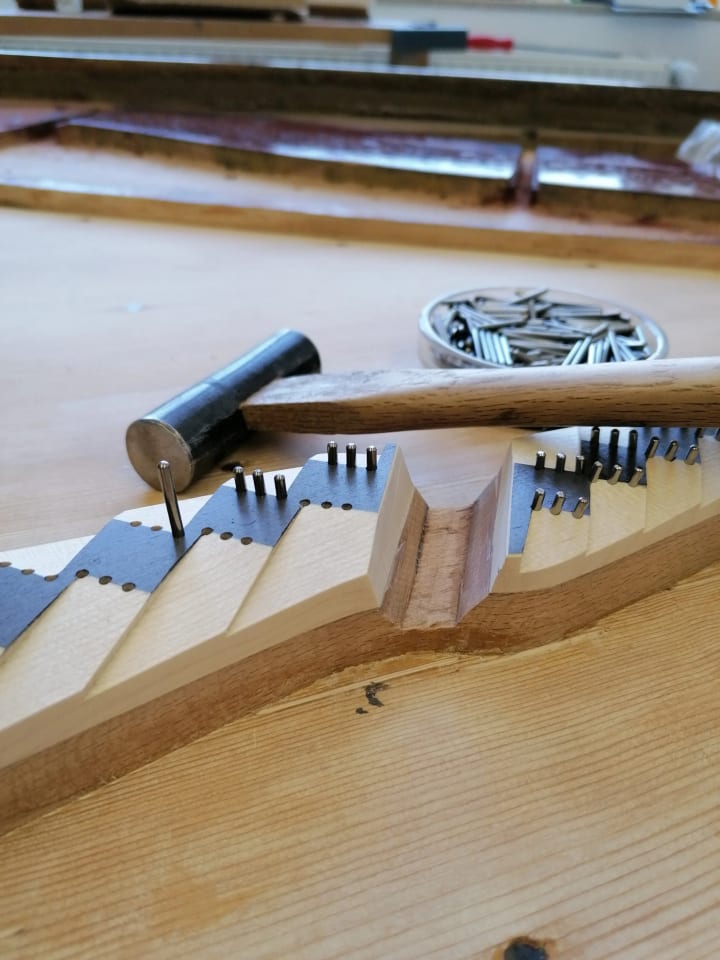
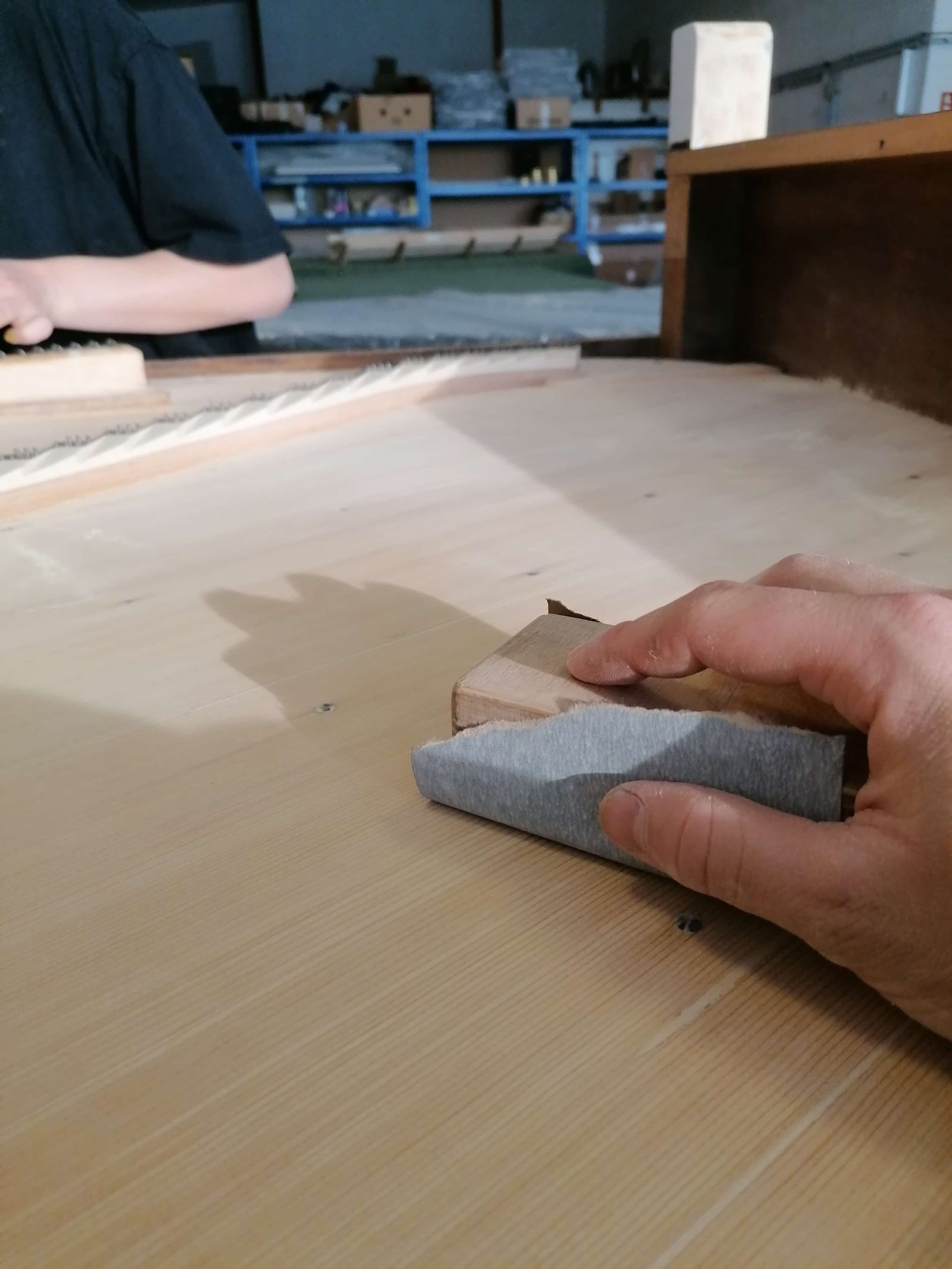
In our workshops located near the Institute of Contemporary Art, we also carry out larger repairs and restorations.
Learn moreSurface repairs.
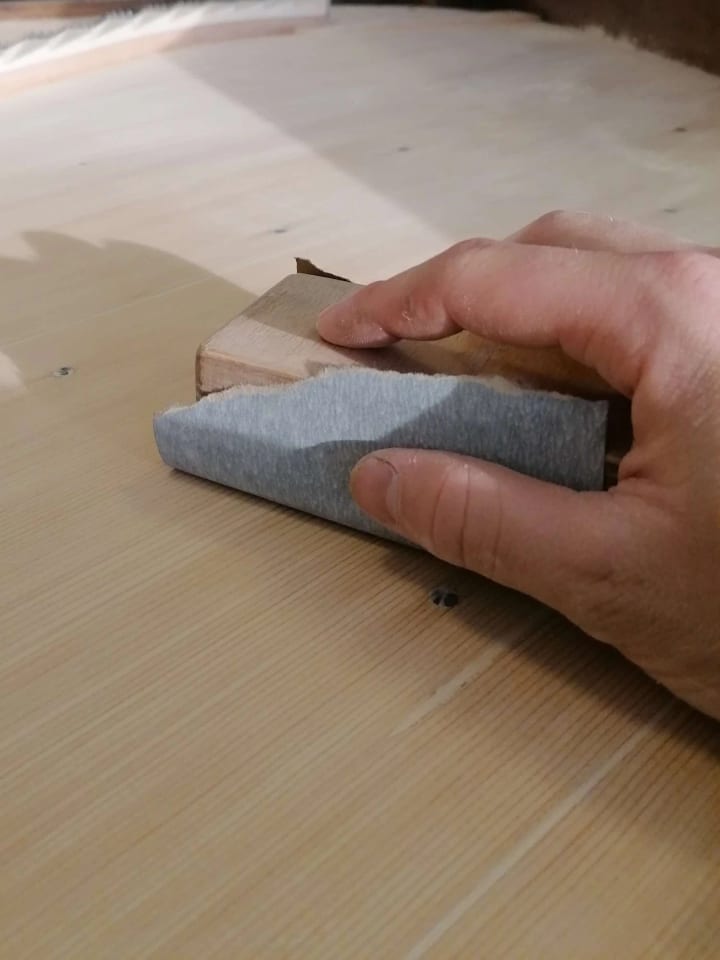
Whether restoring the surface of an instrument damaged during a move or simply giving it back its original shine.
Our services pageFrom A to Z.
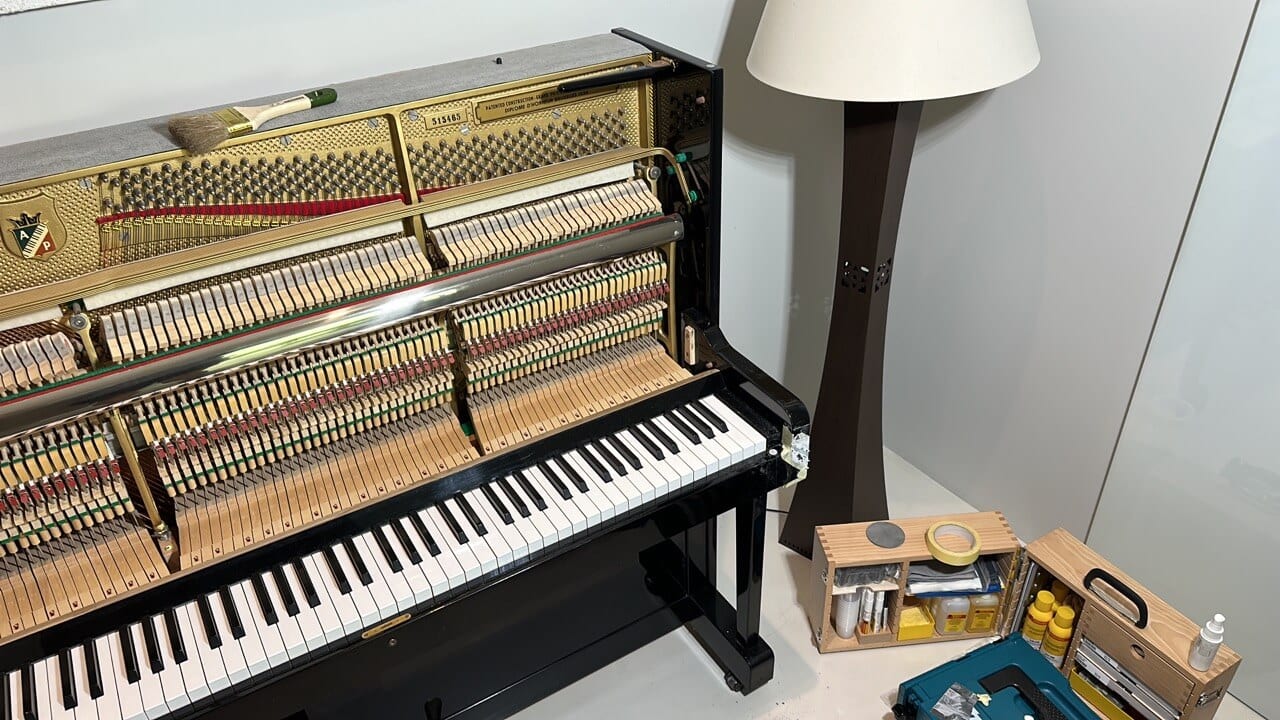
From installing new hammers to extending your instrument with the installation of an adsilent silent system.
All servicesInnovative maintenance for lasting playing pleasure.
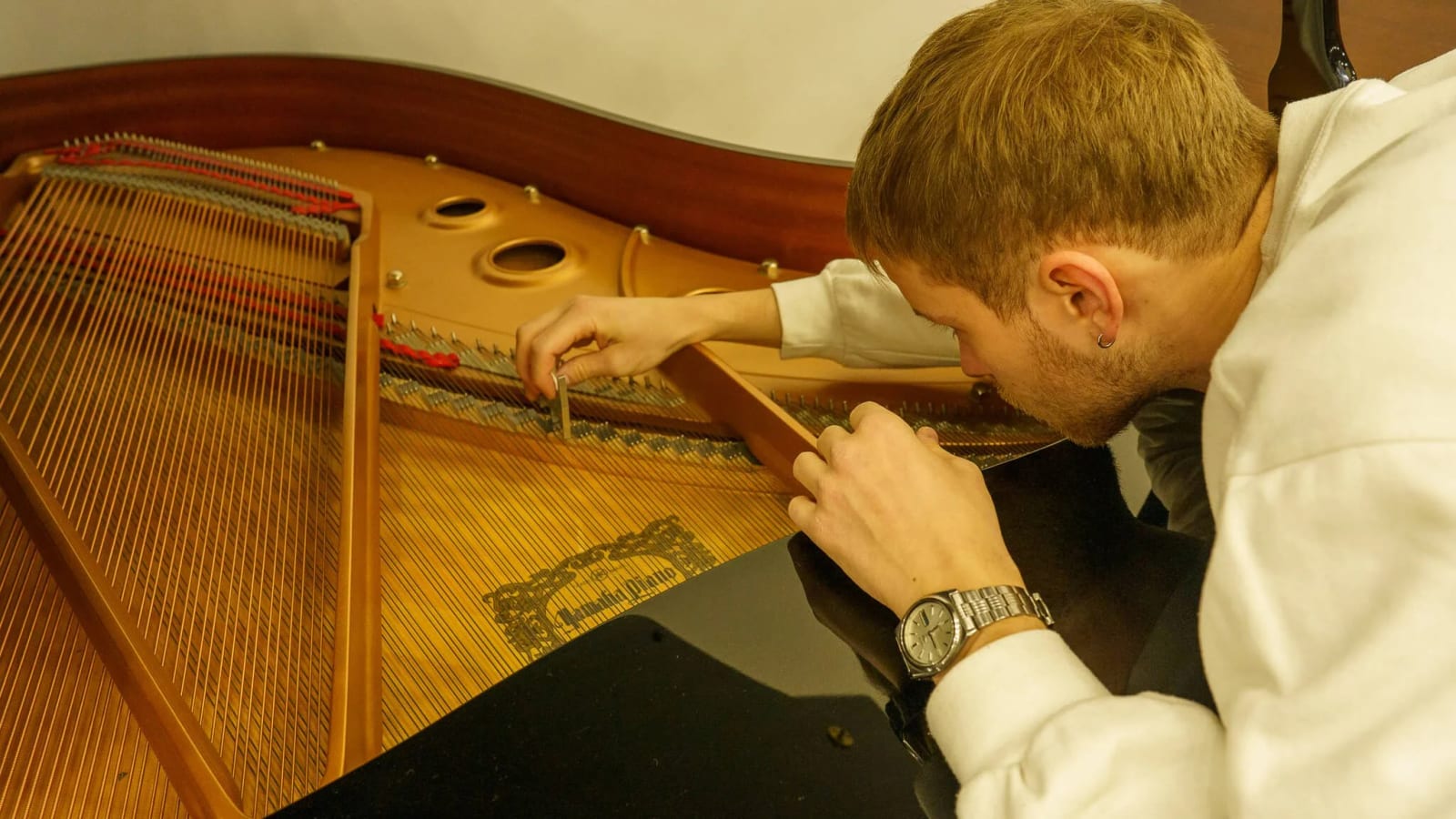
Lorenz Piano, a passionate company dedicated to excellence in the care of your instruments. Our team of qualified technicians combines traditional craftsmanship with cutting-edge technology to offer a complete and personalised service, whether for tuning, repairing or restoring your piano.
Clients at the heart of our priorities.
At Lorenz Piano, the client is our first concern. We are committed to providing a personalised, high-quality service tailored to the specific needs of each pianist and each instrument.
We believe in quality. That is why we use exclusively premium materials and proven techniques for every intervention on your piano.
(SELECT YOUR REQUEST)


Swetlana Meermann-Muret
Pianist and piano teacher
"Lorenz has tuned my grand and upright pianos several times with great precision. Meticulous, quality work. I am very happy with it."

Maujean Geraldine
Client
"A quality tuning, delicate voicing and just-perfect regulation that let me rediscover the warmth and every nuance of touch of my instrument."

Adrien Lecanu
Pianist and piano teacher
"Exactly the tuner you want to tune your piano. Best value, customer service and price I have seen to date."

Stephanie Gogal
Client
"Thank you so much for helping me realize my dream of having a beautiful sounding piano for a reasonable budget!"

Guillaume Defradat
Pianist and producer
"Impeccable! Precise work with, as a bonus, a little voicing for the notes that were a bit too hard to perfect the tuning."

Clement Lescure
Pianist and producer
"Lorenz is the man for the job! Whether for repair, preparation or tuning, he is for me a reference in Lyon that I warmly recommend."

Paule Cornet
Pianist and piano teacher
"A very good technician, efficient, relaxed and very attentive to my needs. He solves my problems one by one."

Anna Luca
Pianist and piano teacher
"Lorenz is meticulous, truly attentive and a pleasure to work with! I highly recommend his work!"

Fil der Protagonist
Music group
"Lorenz tuned for our album recording session. The sound/tuning turned out amazing and apart from that, he was very helpful and passionate and also just a nice person to be around."
F.A.Q.
Pianos should be tuned at least once a year to maintain their sound quality and prevent mechanical problems. A piano that is used regularly or exposed to climatic variations may require more frequent tuning, ideally twice a year.
It is recommended to wait about a month after a move before having your piano tuned. This allows the instrument to acclimatise to its new environment (temperature, humidity).
Use a soft microfibre cloth, lightly dampened, to clean the surface of your piano. Avoid harsh chemicals. For the keys, a dry cloth is usually enough. Never apply water directly to the wood.
The ideal humidity for a piano is between 45% and 65%. We recommend using a humidifier or dehumidifier and a hygrometer to monitor the humidity level in the room.
The international standard pitch is A 440 Hz. However, some musicians and concert halls prefer a slightly higher pitch (442 Hz). We adapt to your preferences.
Avoid placing your piano near windows in direct sunlight, radiators or draughts. Leave a gap of at least 10 cm between the piano and the wall for better resonance and adequate air circulation.
Signs include: keys that stick down, pedals that do not work properly, unusual mechanical noises, worn or hardened felts, and reduced playability. In these cases, action servicing is recommended.